Wall panels in the bedroom: how to create a calm, warm and elegant space for rest
The bedroom is the only space where we start and end the day. Yet it is often the least finished: white walls, a bed, and two nightstands. It is not that we dislike beautiful things — we fear renovation, dust, painters, and weeks of living in a mess.
Wall panels sidestep all of that. One or two walls can be refreshed in a day, without demolition and without painting. In this guide we explain which panel to choose, which colours and tones to use, where to place it, and what to check before installation.
Why wall panels in the bedroom?
Warmth and texture. A wood surface or soft relief gives the room a finished feel that bare white cannot.
A defined sleeping zone. A panel behind the bed visually frames the bed and can replace a headboard.
Hidden imperfections. Uneven walls, old marks, and holes disappear under the panel.
Fast installation. Panels are glued or fixed to battens, without major building work, so the room can be used the same day.
Easy maintenance. A damp cloth is enough — a clear advantage over fabric or wallpaper finishes.
Colours and tones: what we know about walls and sleep
You may have heard that wall colour affects sleep quality. The truth is subtler: the Sleep Foundation notes that little research directly links colour and sleep, but colour can affect sleep indirectly through feelings of calm or restlessness. Blue, green, and white are among the most desirable, while red is considered the least suitable, and warm, intense tones such as orange and yellow are more stimulating. The same source advises avoiding very dark shades such as black and brown, and stresses that the most important thing is a colour that helps you relax.
What does that mean for panels? A practical rule we recommend:
- For the whole room, choose calm, light, warm tones: cream, beige, light oak, warm grey.
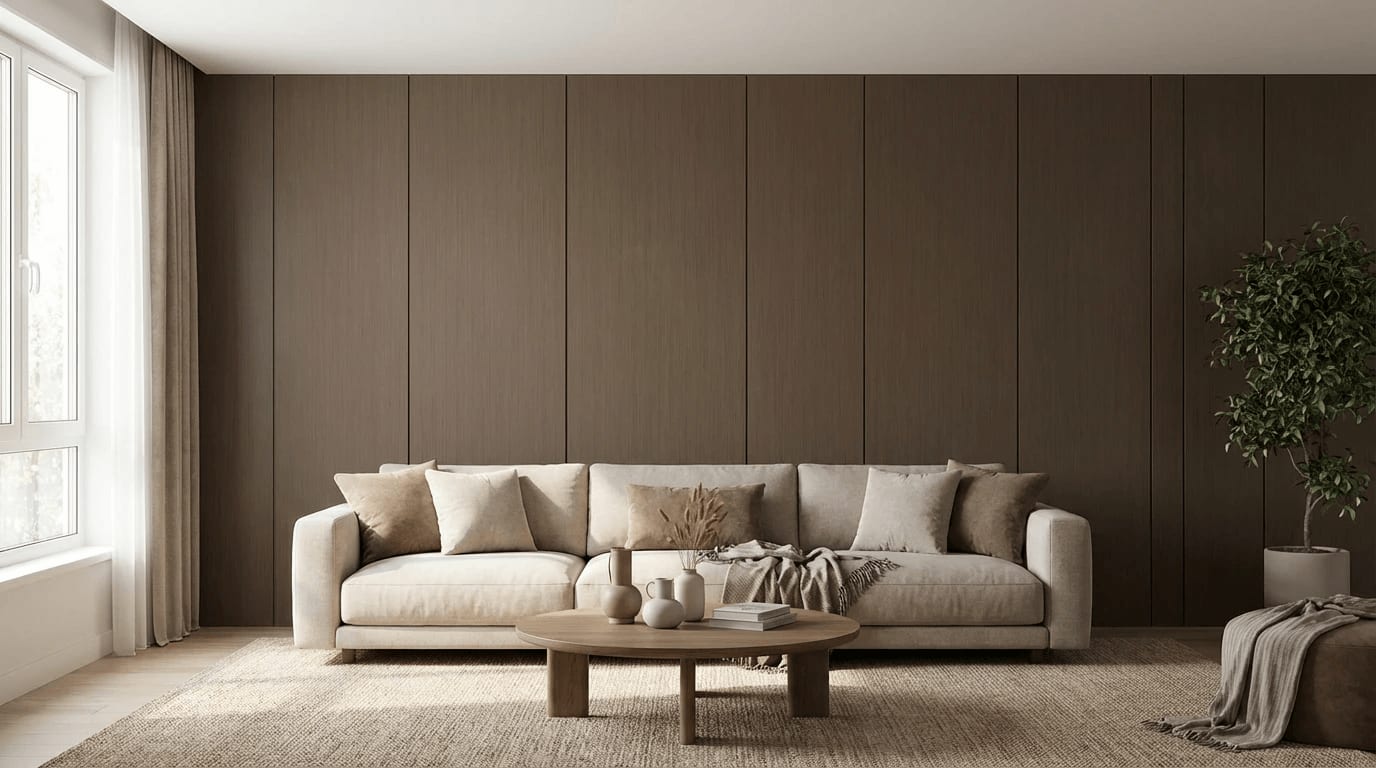
- If you prefer a darker panel, limit it to one wall behind the bed and balance it with light walls, bedding, and curtains.
- Avoid strong, saturated colours on large surfaces. In the bedroom, less is more.
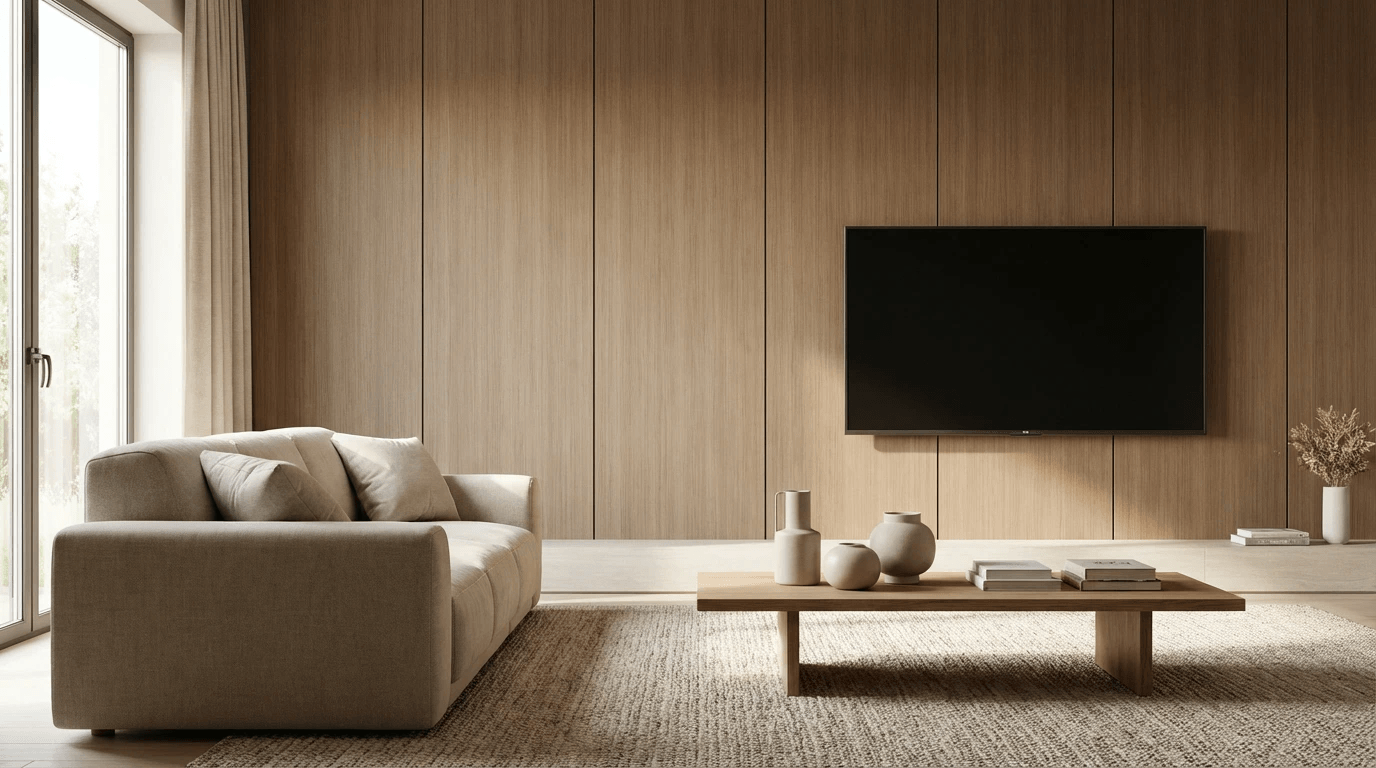
Which panel for the bedroom?
Each of our panels has a different character. Here is a short overview for the bedroom:
| Panel | Look | Best for |
|---|---|---|
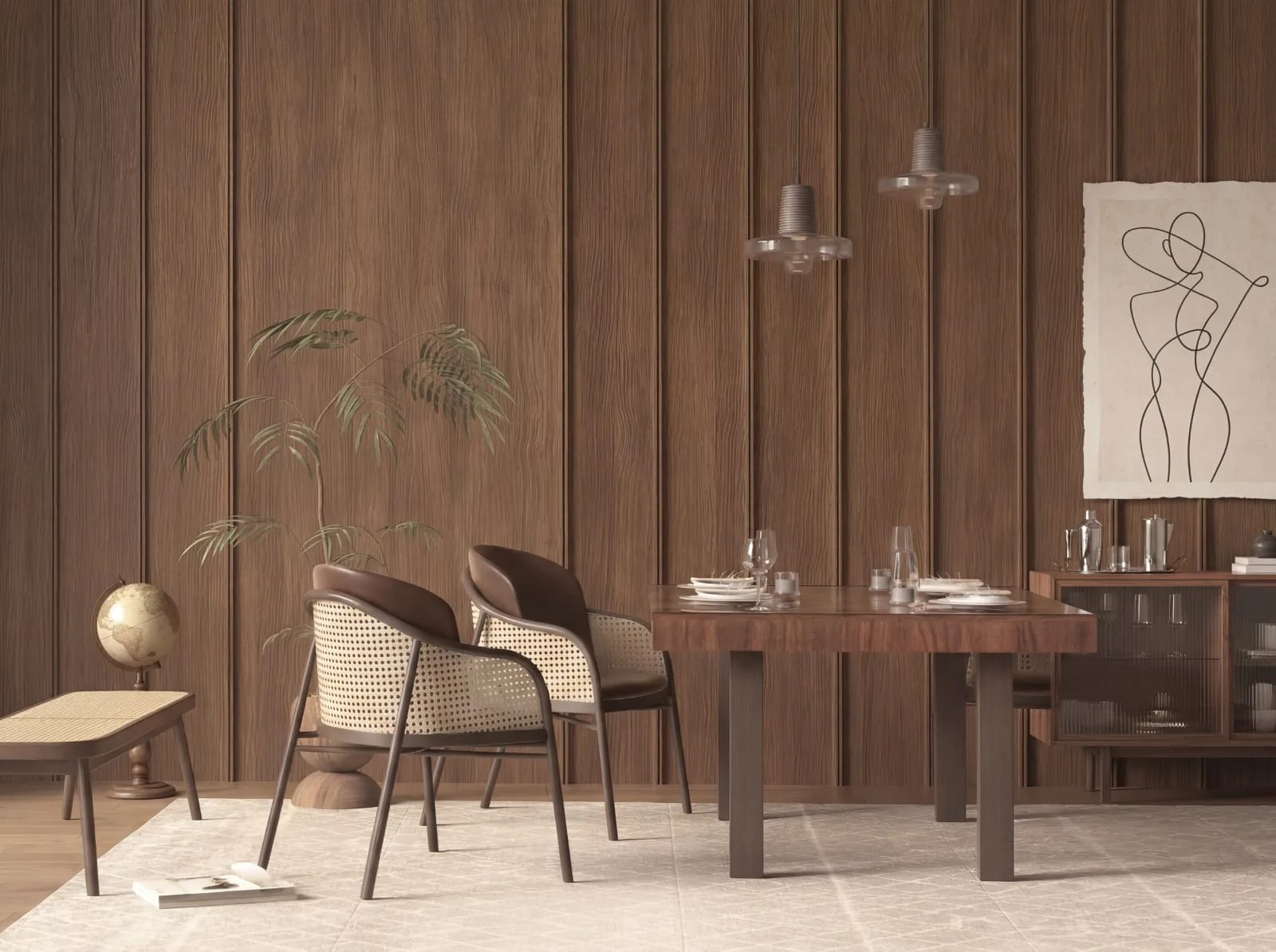
| Carbon panels | Wood look, warm and natural | Wall behind the bed, modern and Scandinavian style |
| PVC panels | Wide colour and pattern range, smooth surface | Homes with damper walls, minimalist look |
| 3D panels | Subtle relief that plays with light | Accent wall, calm but interesting room |
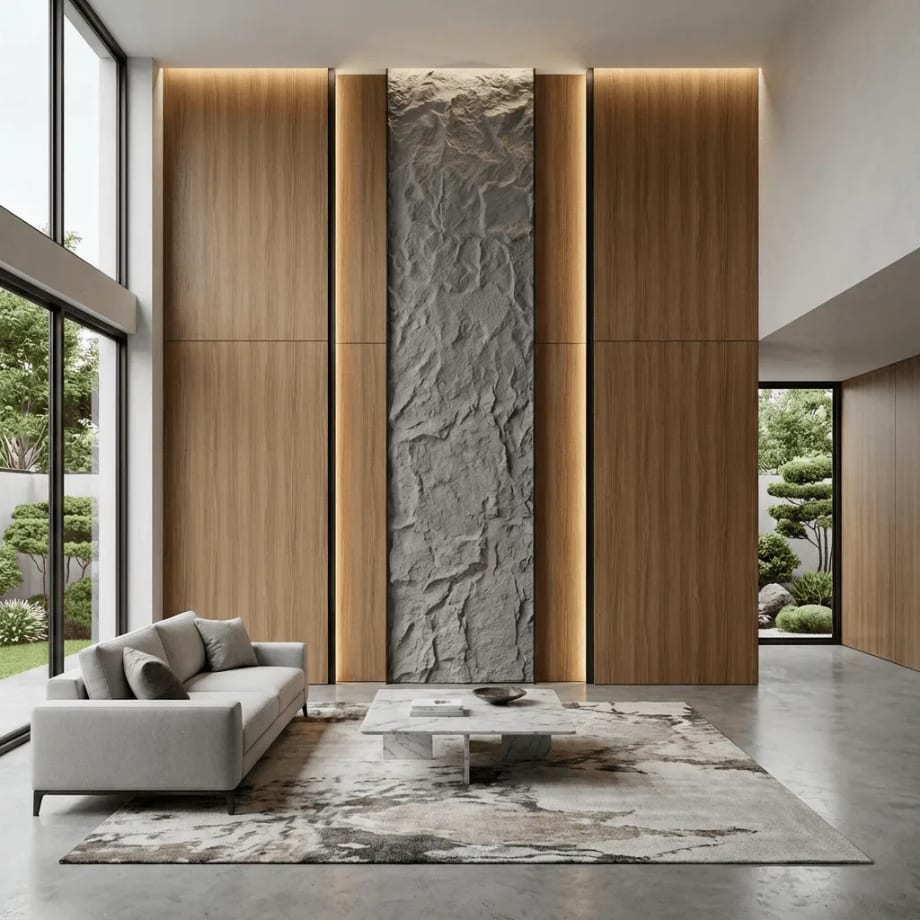
| Rock panels | Stone look, strong character | Smaller surfaces or a mix with soft textiles |
If you do not know where to start, begin with Carbon or PVC panels in a warm wood tone. It is the safest choice that looks elegant and fits almost any furniture.
Where to place a panel in the bedroom?
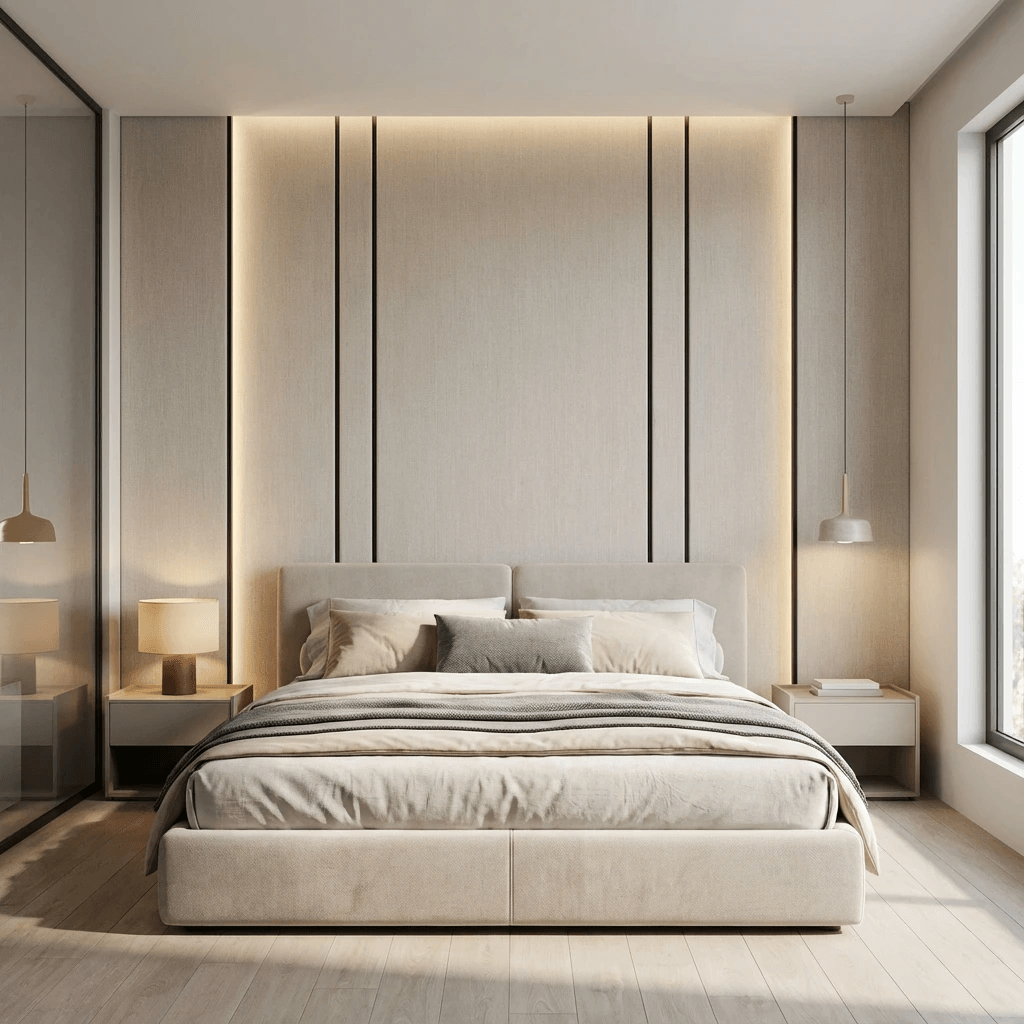
Behind the bed (headboard wall)
The most common and safest choice. The panel replaces a headboard and gives the room a focal point. Tip: the panel should be wider than the bed, because a too-narrow panel behind a wide bed looks out of proportion (Residence Supply). For more accent-wall ideas, see Small change, big difference.
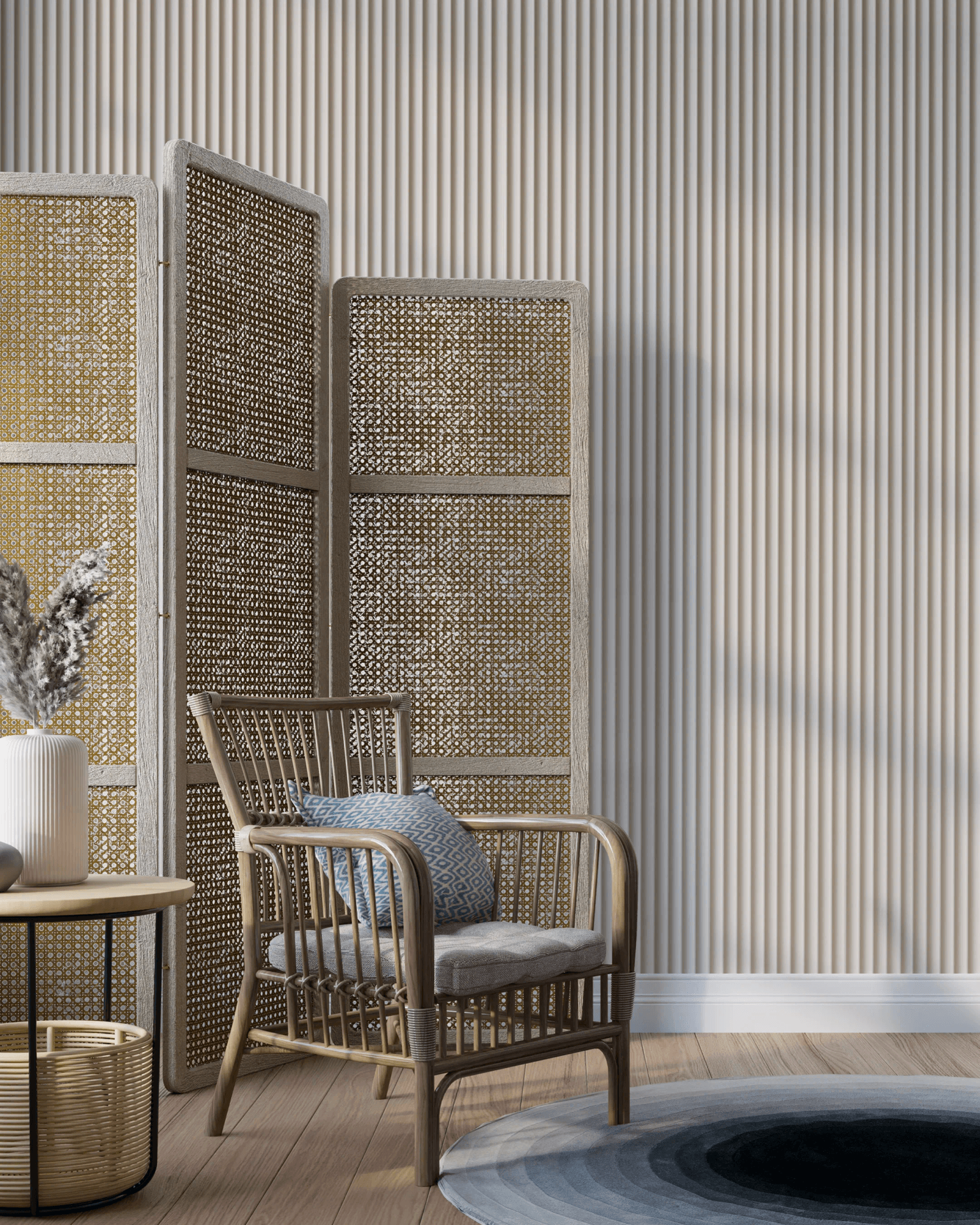
Full wall from floor to ceiling
The strongest effect, especially with vertical lines that visually lift the ceiling. With this approach, plan sockets, switches, and lighting in advance (BookABuilder).
Halfway up the wall
A panel about 100–120 cm high, from the floor to above the pillows, gives a calmer, more classic look. British experts often see this as the safest option in bedrooms because it does not feel overcrowded (BookABuilder).
Behind a dresser or work nook
If the bedroom has a vanity, dresser, or small desk, a panel behind it turns an ordinary corner into a finished, defined zone.
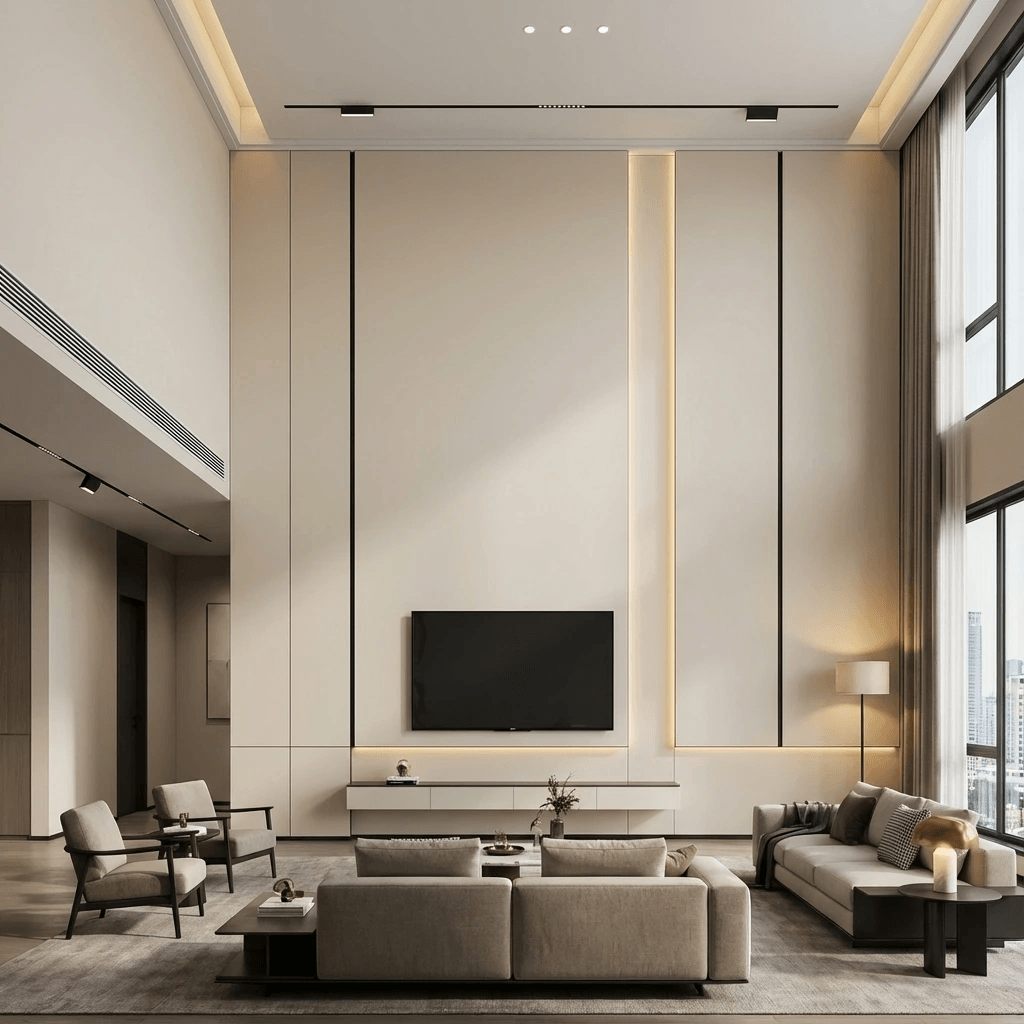
Light: what makes a panel look luxurious
The same panel can look completely different depending on the lighting. Warm (yellowish) light emphasises the warmth of wood and the softness of relief. A popular solution is a hidden LED strip along the panel edge, with cables concealed behind the panel rather than over it. Wall reading lights free up nightstands and add a hotel-like feel.
What to check before installation
Panel thickness. Thick panels and headboards can add 2 to 5 cm of depth and push the bed forward, which matters in smaller rooms. Thinner panels, such as 3 mm PVC, barely take space.
Sockets and switches. Before installation, mark their positions behind and around the bed.
Small room or lower ceiling. Choose lighter tones and a vertical layout. In older flats this helps especially — we cover tips in our article on apartments in Podgorica.
Measurements. Measure the bed and wall width before choosing panels so the result looks proportional.
Installation and maintenance
Panels are installed with adhesive or on battens. For one bedroom wall a short appointment is usually enough, and our team can take on the full installation. For daily care, a soft damp cloth is enough. Read more about substrate preparation and panel care in our installation and maintenance guide.
Frequently asked questions
Do panels in the bedroom look cold or “office-like”?
Not if you choose the right tone and texture. Wood-look panels or soft relief bring warmth, especially with soft bedding, curtains, and warm light.
Can panels work in a small bedroom?
Absolutely. Thin panels do not take space, and one accent wall in a light tone makes the room look more finished, not tighter.
Are panels resistant to moisture and mould?
Our PVC panels are waterproof and mould-resistant. That helps in spaces with higher humidity, but the cause of wall dampness should always be fixed before installation.
How long do panels last?
With proper installation, PVC, Carbon, and 3D panels last 15 years or more.
Are panels safe in case of fire?
Our panels have a fire reaction certificate (class B1/C, EN 13501-1) and do not spread flame easily. More on the Security and quality page.
Conclusion
The bedroom deserves the same attention as the living room — just in a calmer tone. One wall behind the bed, the right panel, and warm light are often enough for the space to feel finished, without weeks of renovation.
Browse the Flex Decor range or contact us for advice on choosing panels for your bedroom.
Also read: Why autumn is ideal for renovating with wall panels and Wall panel colour and texture trends.